
Seoul › Seoul / Yeongdeungpo
Mullae at Dusk: Steel, Art & Café Alleys
Why walk this route?
Begin at Mullae Station Exit 7 and walk through Mullae Neighborhood Park before entering the smaller industrial streets. The full route is roughly 2.8 km and takes about 2.5 hours, or closer to 3 hours with an exhibition, photographs and a relaxed café stop; after the final place, Sindorim Station is about 7–10 minutes away on foot. The mood changes block by block. Depending on the time and day, you may hear metal cutting inside active workshops, then turn a corner to find a steel sculpture, a painted shutter, an artist’s door or a quietly designed café inside an old factory. Late afternoon into early evening suits Mullae best, because the practical workday and the newer night culture briefly overlap. It is a distinctly Korean kind of newtro—old industrial textures reused through young creative culture—while metalworkers, handwritten signs and everyday neighborhood life remain part of the scene.
Places on this route
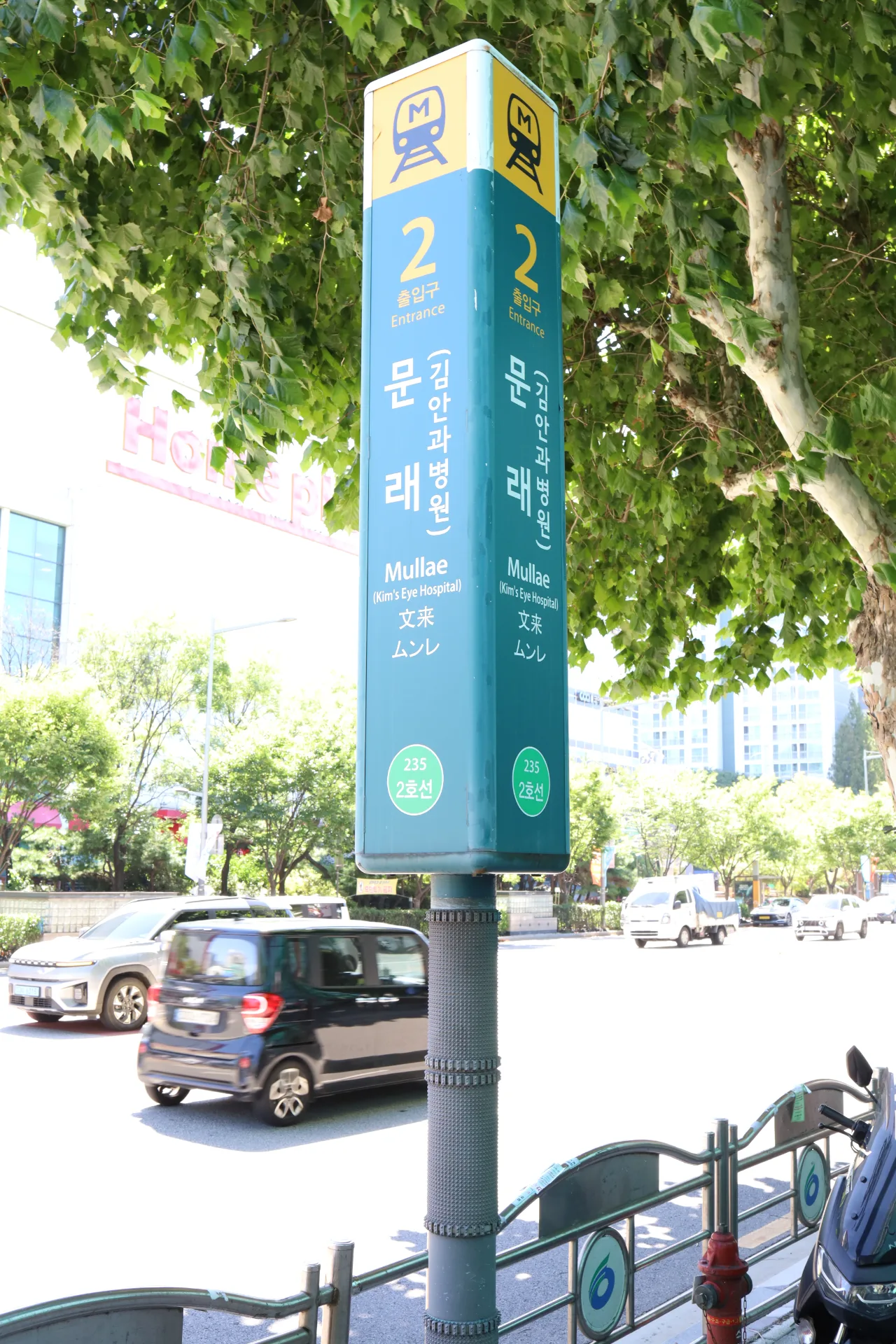 Mullae Station
Station · 5 min
The neighborhood surrounding the station originally flourished as an industrial area filled with small steel mills and metalwork factories. In recent years, it has transformed into the Mullae Art Village (Mullae Creative Village), where indie artists, trendy cafes, and craft workshops coexist alongside working iron foundries.
 Mullae Steel Alley
Street · 30 min
Enter a working district of small metal shops, loading bays and hand-painted Korean signs, where the street can still sound and smell like a place of production. Keep to the side, watch for moving vehicles and ask before photographing workers or shop interiors.
- TDBD The Daily Bread Cafe
Cafe · 30 min
The red-brick conversion once known as PONT Mullae remains a clear example of Korean newtro, with former ironworks reused as a contemporary café space. The tenant has changed, so treat this as a flexible coffee-and-bakery stop and check the current business before visiting.
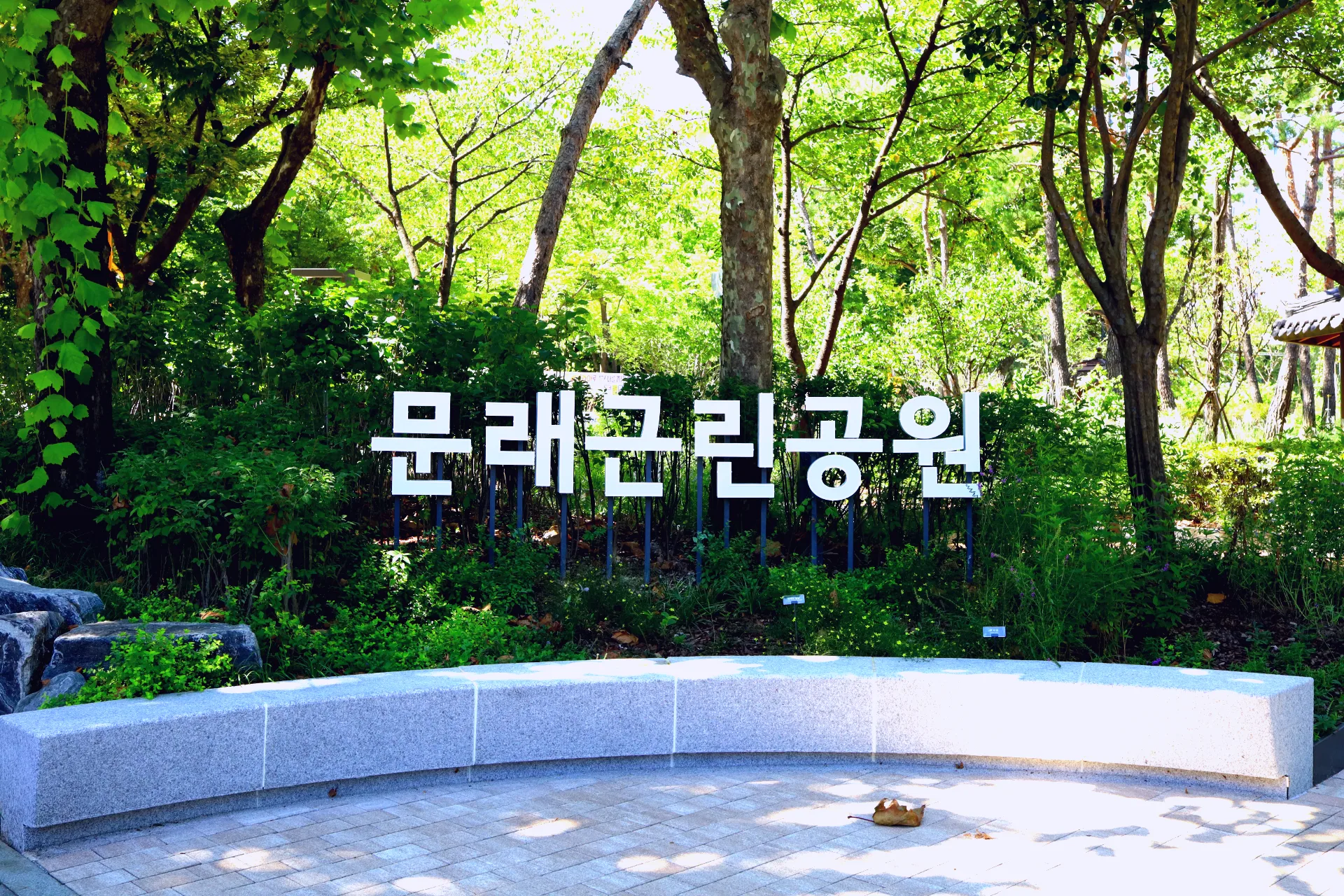 Mullae Neighborhood Park
Park · 30 min
Start with an everyday view of Mullae, where residents use the paths, benches and exercise areas rather than treating the neighborhood as a tourist set. The large spinning-wheel sculpture hints at the area’s textile past and gives useful context before the industrial alleys.